工業管理系
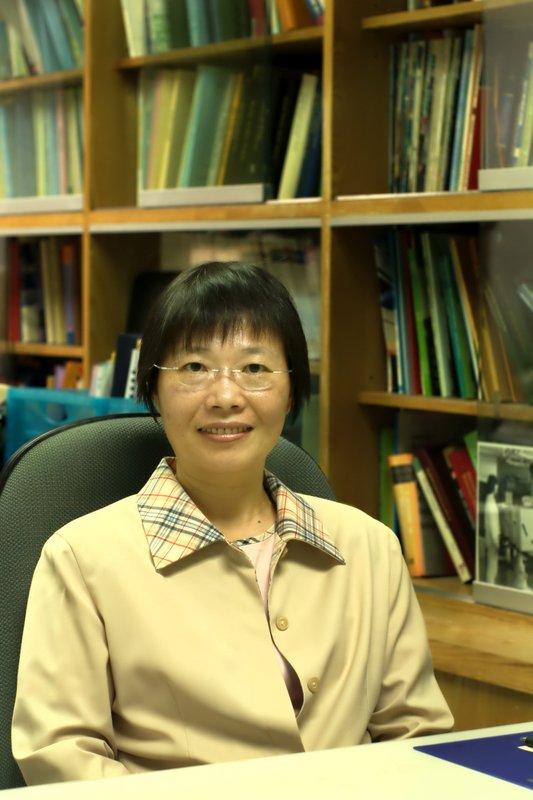
紀佳芬
特聘教授意外事故分析(墜落、感電、夾捲職災)、圖像與語音人機介面面、人因分析工具
葉瑞徽
特聘教授可靠度與維修策略分析、保證策略分析、品質管理
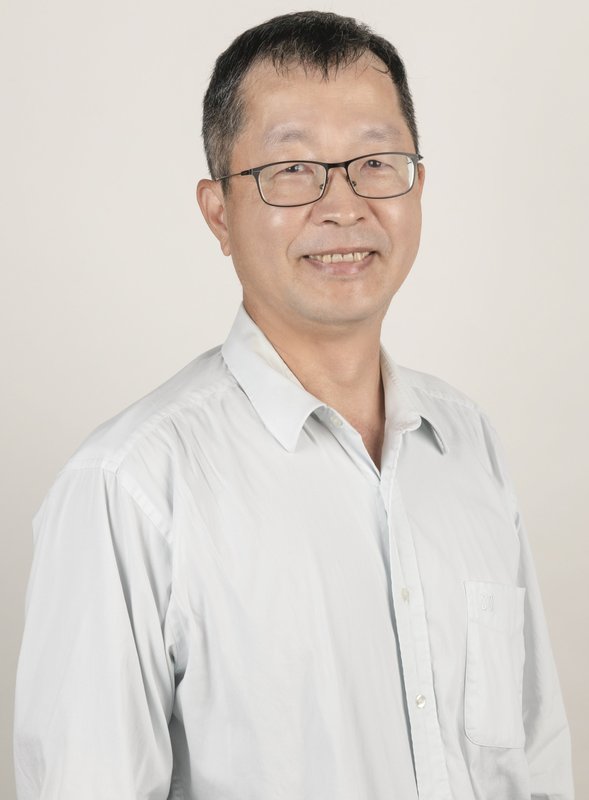
王福琨
特聘教授可靠度壽命分析、應用統計、供應鏈管理
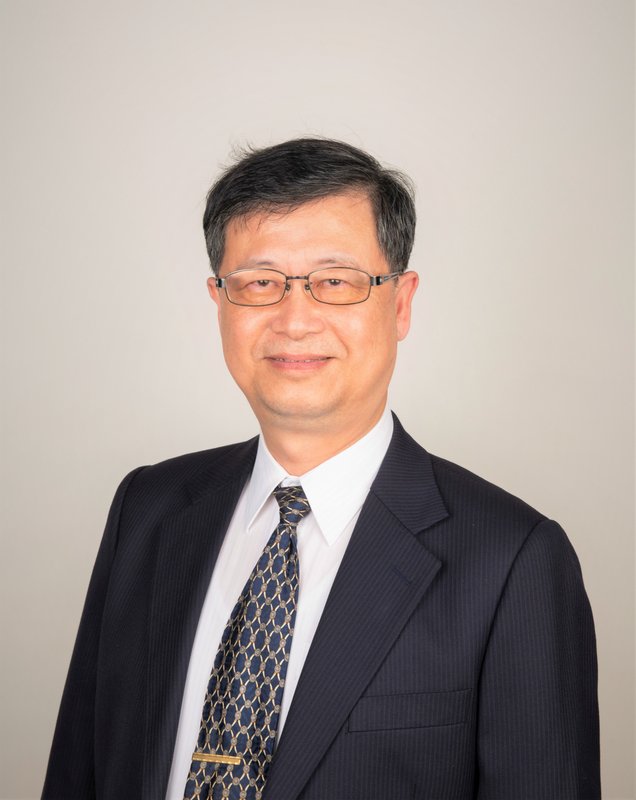
王孔政
特聘教授供應鏈管理、科技與營運管理、智慧製造與營運
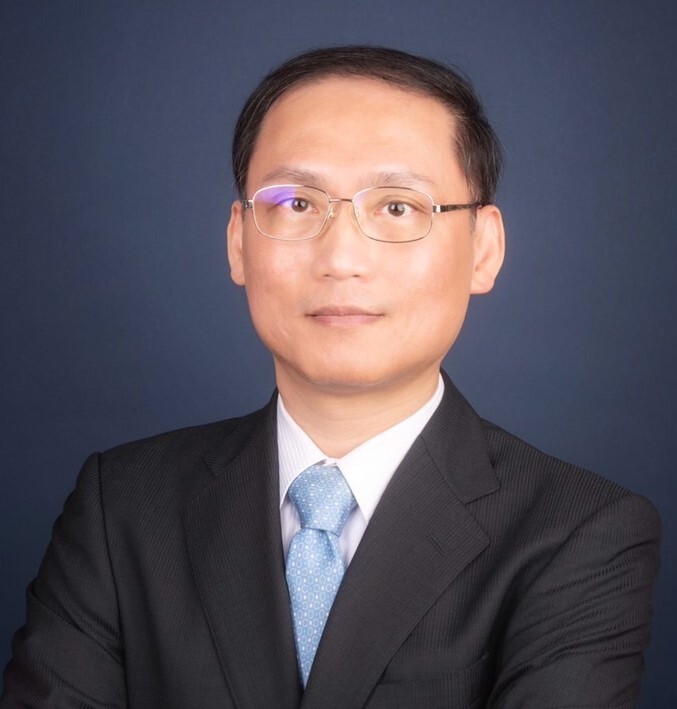
郭人介
特聘教授資料科學(人工智慧、機器學習、資料探勘)、智慧型系統(智慧製造及智慧零售)、作業管理(生產與服務)、全球運籌與供應鏈管理
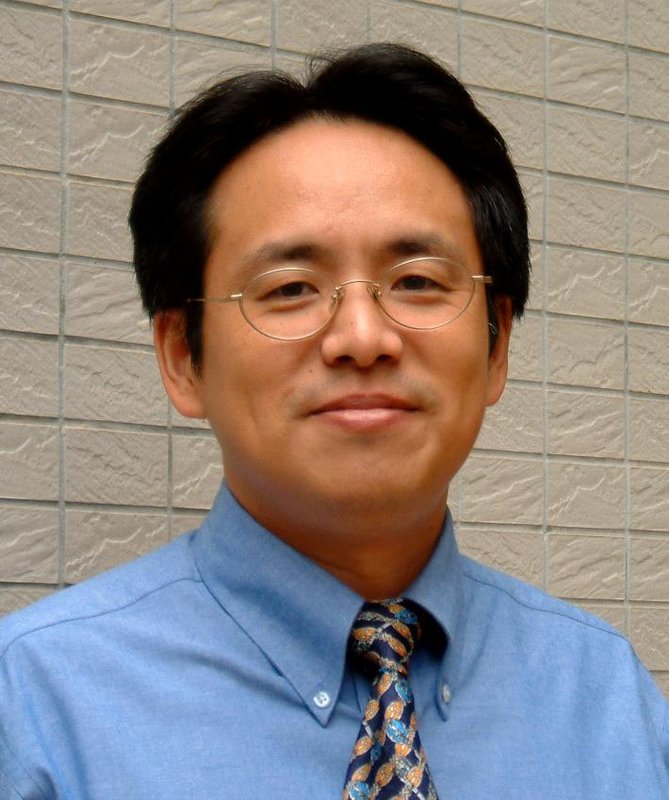
林久翔
特聘教授軟體互動與介面設計、使用者經驗研究、虛擬與擴增實境系統評估、服務系統介面設計、人體動作分析
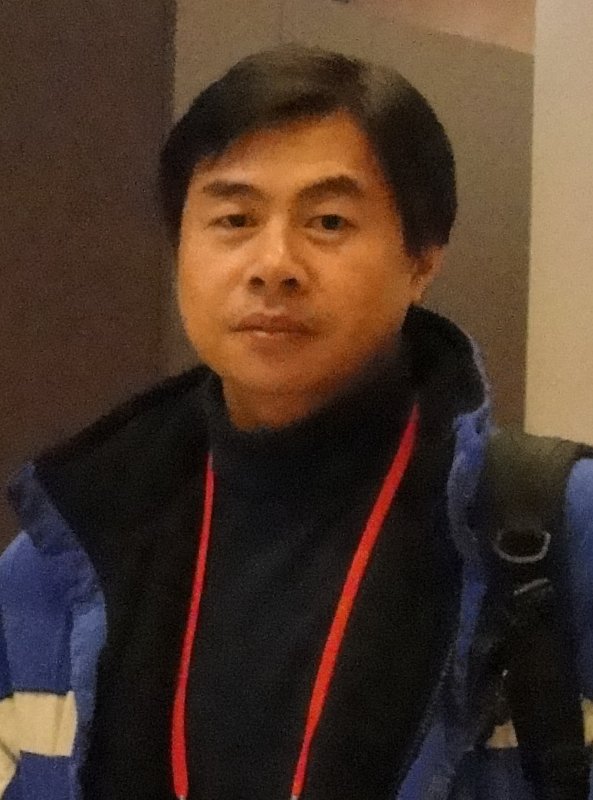
喻奉天
教授作業研究、物流與供應鏈管理、柔性計算、智慧營運、數據分析、
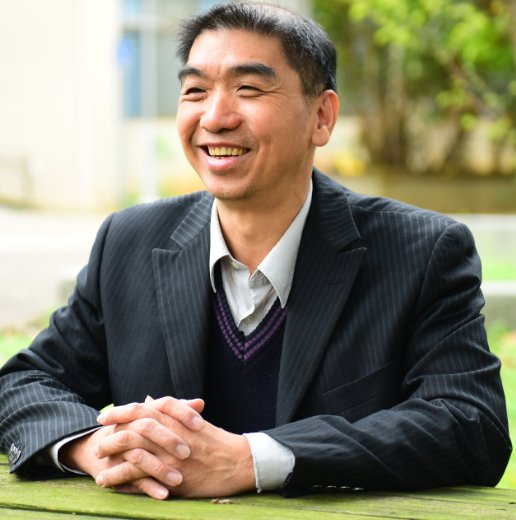
郭財吉
教授永續發展,碳排放與管理,循環經濟,智慧製造
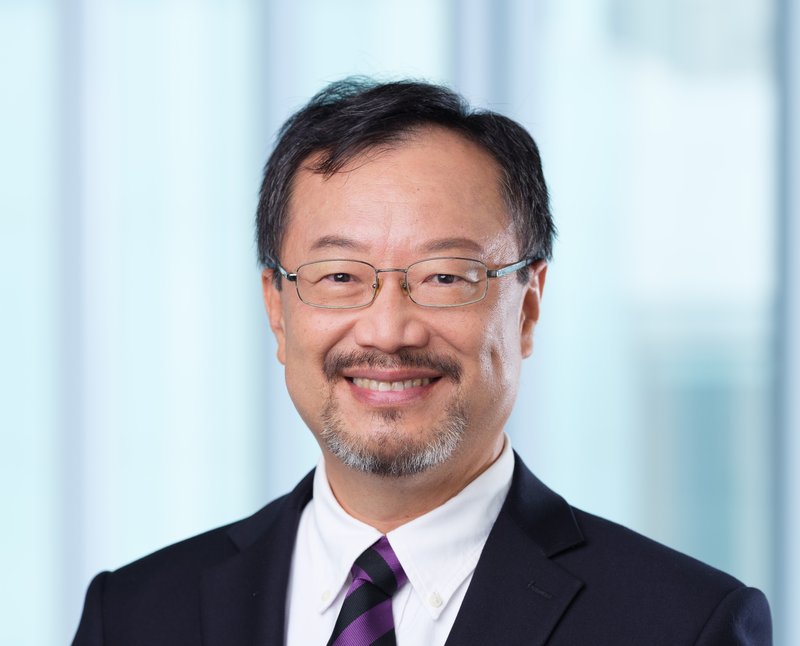
杜志挺
教授商業智慧、隱私與安全、電子商務與平台、資訊共享與網路行銷
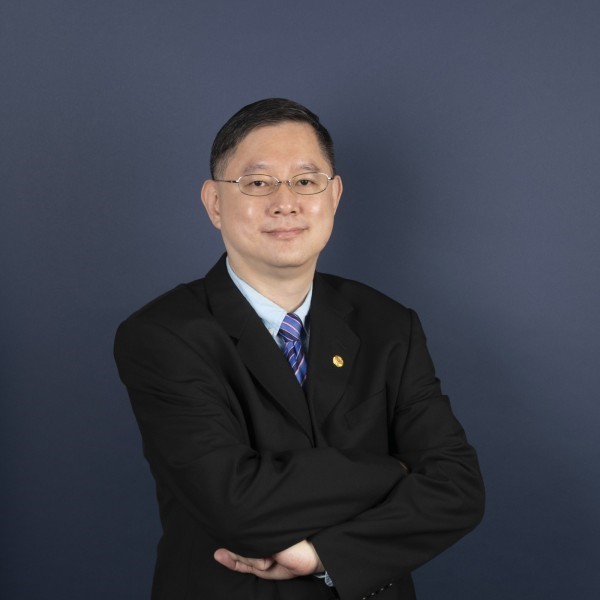
羅士哲
副教授人工智慧、大數據預測分析與應用、量子計算、永續物流管理
林承哲
副教授使用者經驗/介面設計、設計思考與創新、醫療人因工程
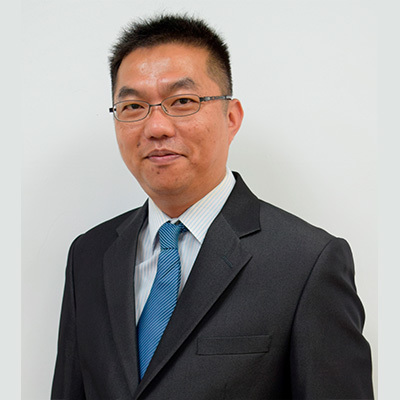
曾世賢
副教授品質工程、實驗設計、系統模擬、精實管理

水谷英二
副教授動態規劃、數值線性代數、非線性最佳化、機器學習法
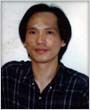
李強笙
助理教授應用統計、最佳化研究、等候理論、存貨理論、廠址設置問題
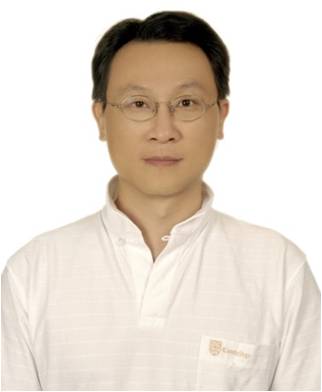
郭伯勳
助理教授供應鏈管理、物料搬運系統、倉儲管理、運輸問題、配送系統與自動化技術
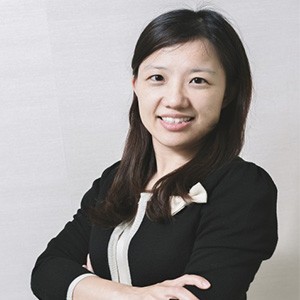
許聿靈
助理教授人機互動、人機協作、智慧科技應用、數位轉型、服務創新
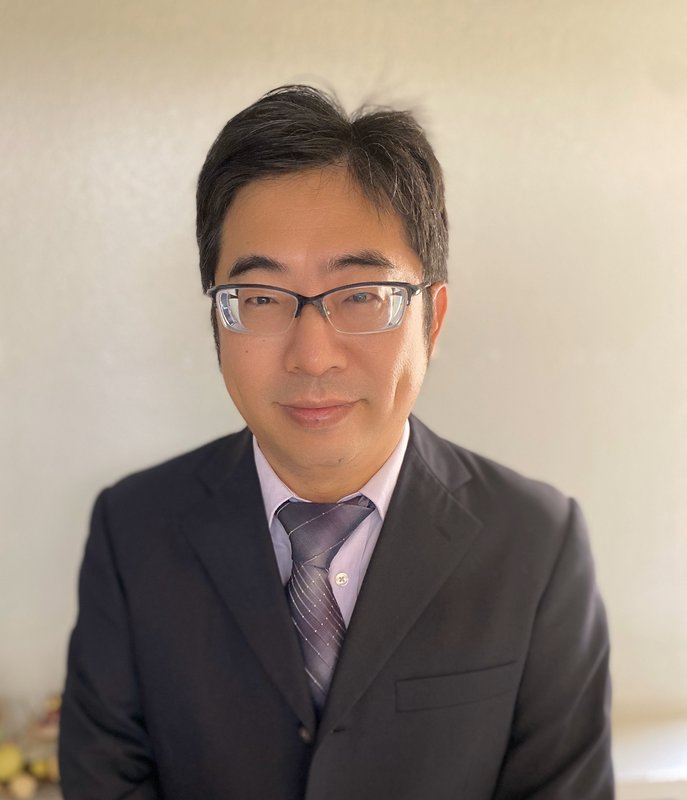
張益賓
專案助理教授資料庫管理系統、系統開發、資訊安全、統計分析
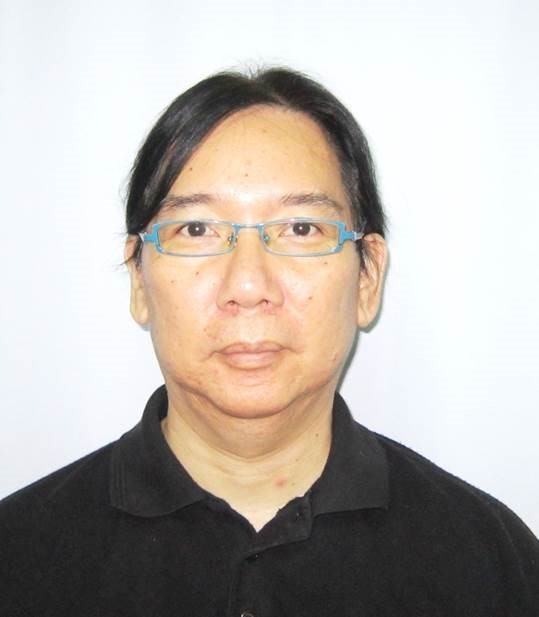
陸家聲
專案助理教授人工智能,群體智能,計算機視覺,區塊鏈應用

李應豪
專案助理教授人機協作、生成式人工智慧、大型語言模型、機器視覺、智慧製造、智慧排程、人機介面設計

馬瑞藍
專案助理教授零售空間最適配置
、車輛路徑、環境因素、萬用啟發式演算法、啟發式演算法
呂仁廣
專案助理教授產業組織、計量經濟、
Game Theory
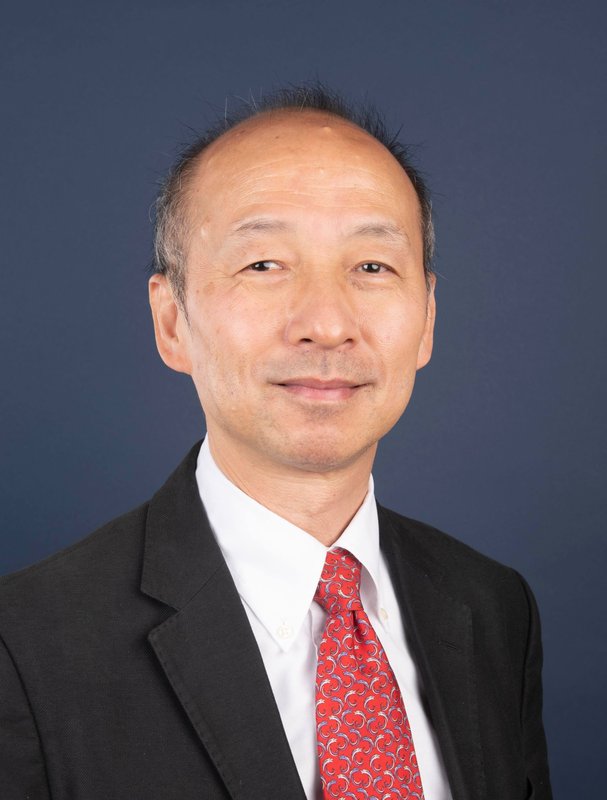
周碩彥
特聘教授兼物聯網中心主任物聯網創新應用、技術促能服務、智慧能源、人工智慧、智慧城市應用、區塊鏈應用、智慧運籌、智慧型運輸管理、創新創業、決策理論、數位製造、幾何運算
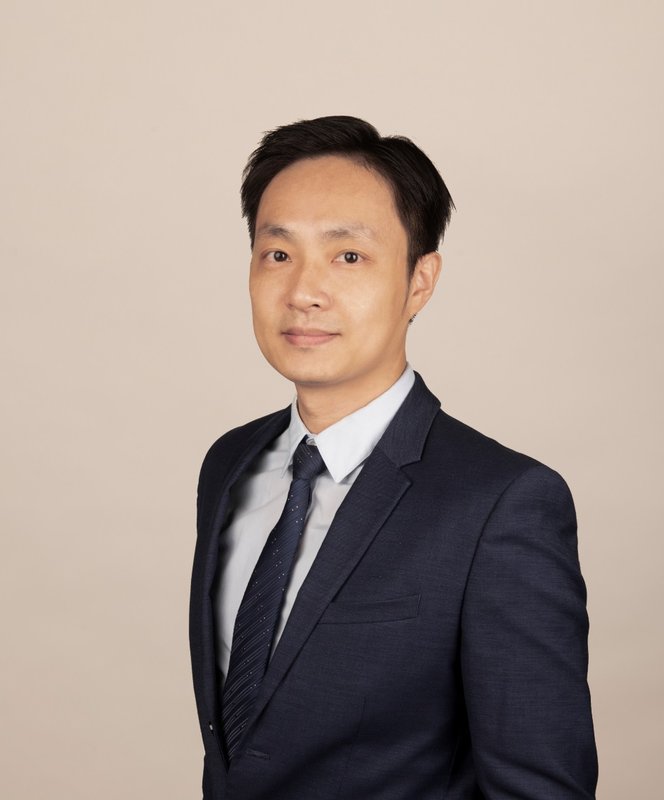
曹譽鐘
講座教授兼管理學院院長兼人工智慧營運管理研究中心主任智慧決策與分析、人工智慧應用、智慧製造、智慧物流、能源系統規劃與管理
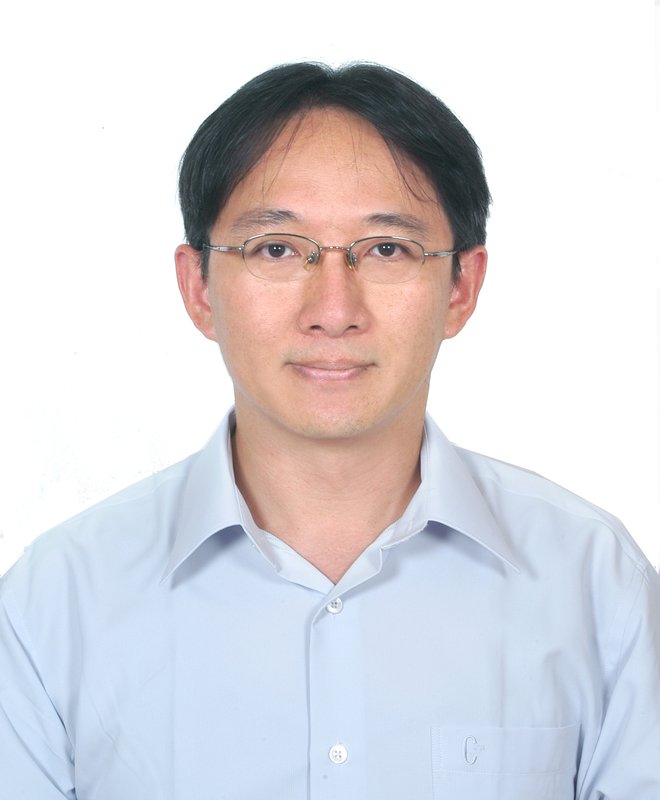
林希偉
教授兼管理學院副院長兼管研所所長風險分析、
決策分析、行為決策與行為經濟學、應用統計、賽局理論
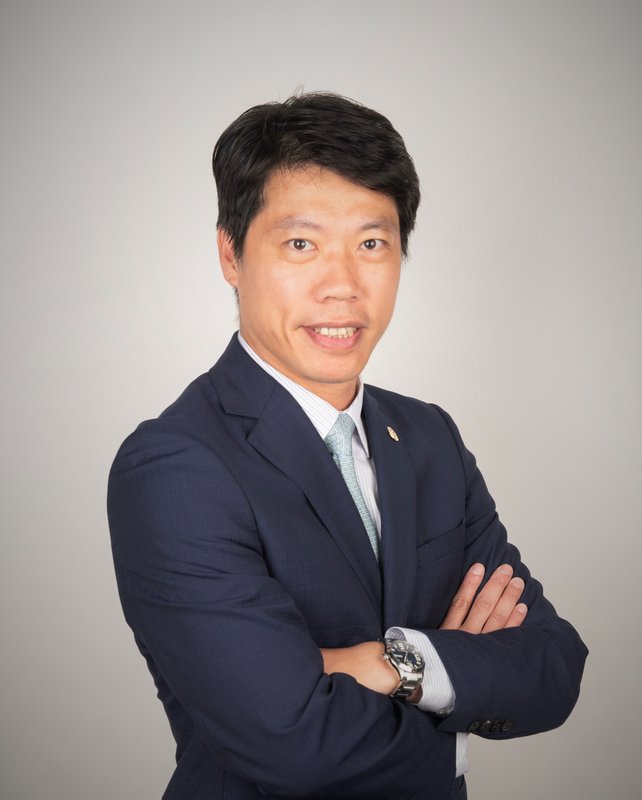
楊朝龍
教授兼系主任兼推廣教育學院資料探勘、巨量資料分析、機器學習、人工智慧應用、工業
4.0
製程改善、最佳化演算法、社群網路分析
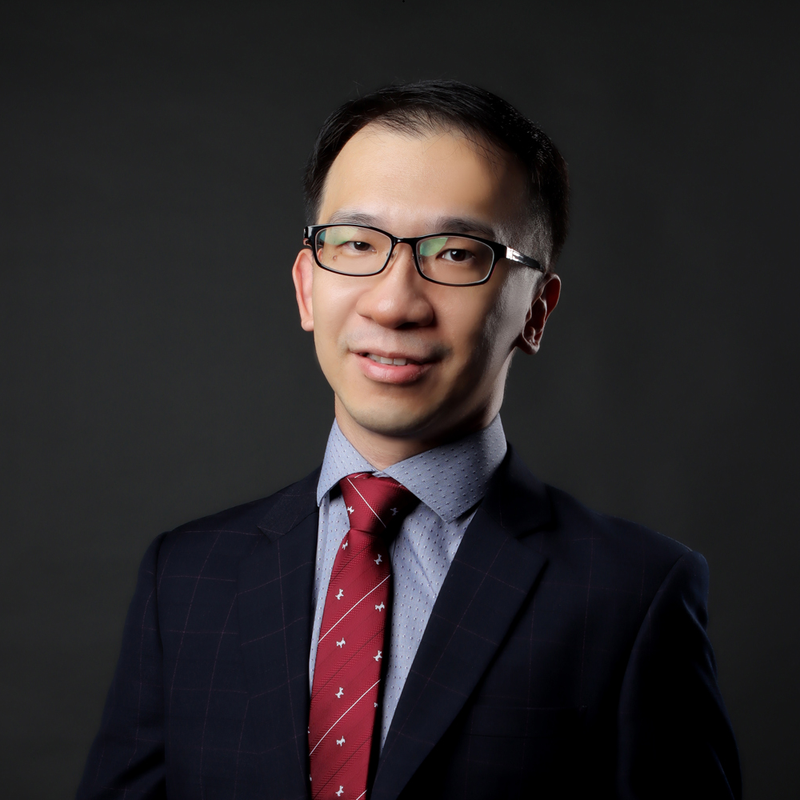
張秉宸
教授網路可靠度、生產與作業管理、品質管理
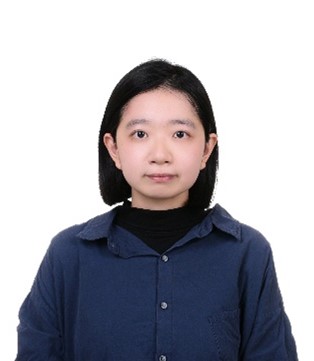
劉元媛
助理教授人工智慧、大數據分析、隨機最佳化、蒙地卡羅模擬、故障預測與健康管理
(PHM)
、先進製程控制
(APC)
、缺陷檢測與分類
(FDC)
、虛擬量測
(VM)

Anima Bag
專案助理教授Micro-marketing management, Interactive marketing and consumer behavior, Electronic commerce, Information management systems, Technology management

Aurélien Rouquet
客座教授Research area 1: orchestration of supply chains
This first research area, which is rooted in my Phd thesis, is about the
management and orchestration of supply chains
. Given that firms are refocusing on their core business, most contemporary supply chains are complex systems made up of multiple actors, who, owing to globalisation, are increasingly distant geographically and spread to the far ends of the earth. In this context, the main issue is knowing how to manage and orchestrate these multi-actor systems to ensure the coordination and integration of physical flows. My research highlights the crucial role played by inter-organisational standards (EDI, labelling, packaging), which facilitate the fluid operation of supply chains. More broadly, it emphasises the role played in the orchestration of multi-supply chains by meta-organisations, such as standardisation associations (GALIA/Odette in the automobile industry, GS1 in retailing and distribution) and proximity clusters.
Research area 2: consumer logistics
This second research area, which I developed after obtaining my PhD, mainly in collaboration with colleagues in marketing, aims to
analyse consumption from the angle of logistics and supply chains
. Traditionally studied in a marketing perspective that leans heavily on symbolism and sociology, consumption involves a large number of logistic actions. My research has contributed to better conceptualising the different types of logistics roles played by consumers in supply chains. It also looks at certain recent innovations that have contributed to developing the logistics roles played by consumers, especially the drive-through grocery pick up service, which has them take on the role of transporter. More recently, I have been researching the types of logistics that underpin the development of the sharing and collaborative economy. With fellow researchers, I have studied crowd-logistics practices and the development of consumer-to-consumer supply chains through which consumers exchange goods with each other.
Research area 3: history of logistics and SCM
This third research area explores the
historical and conceptual foundations of logistics and supply chain management
. I examined the role of Antoine-Henri de Jomini, who formalised logistical thinking within military strategy in the 19th century, and the
marechal des logis
, a key figure in the French army whose operational role gave the field its name. I then analysed how logistics emerged as a formal managerial function during World War II, particularly in the U.S. military, where the coordination of flows became a central concern. I also study the intellectual legacy of Jay Forrester, whose work on system dynamics contributed to shaping modern supply chain models. This research is culminating in a forthcoming book that traces the genealogy of logistics,
highlighting the actors, institutions, and ideas that structured its evolution into a anagement discipline.